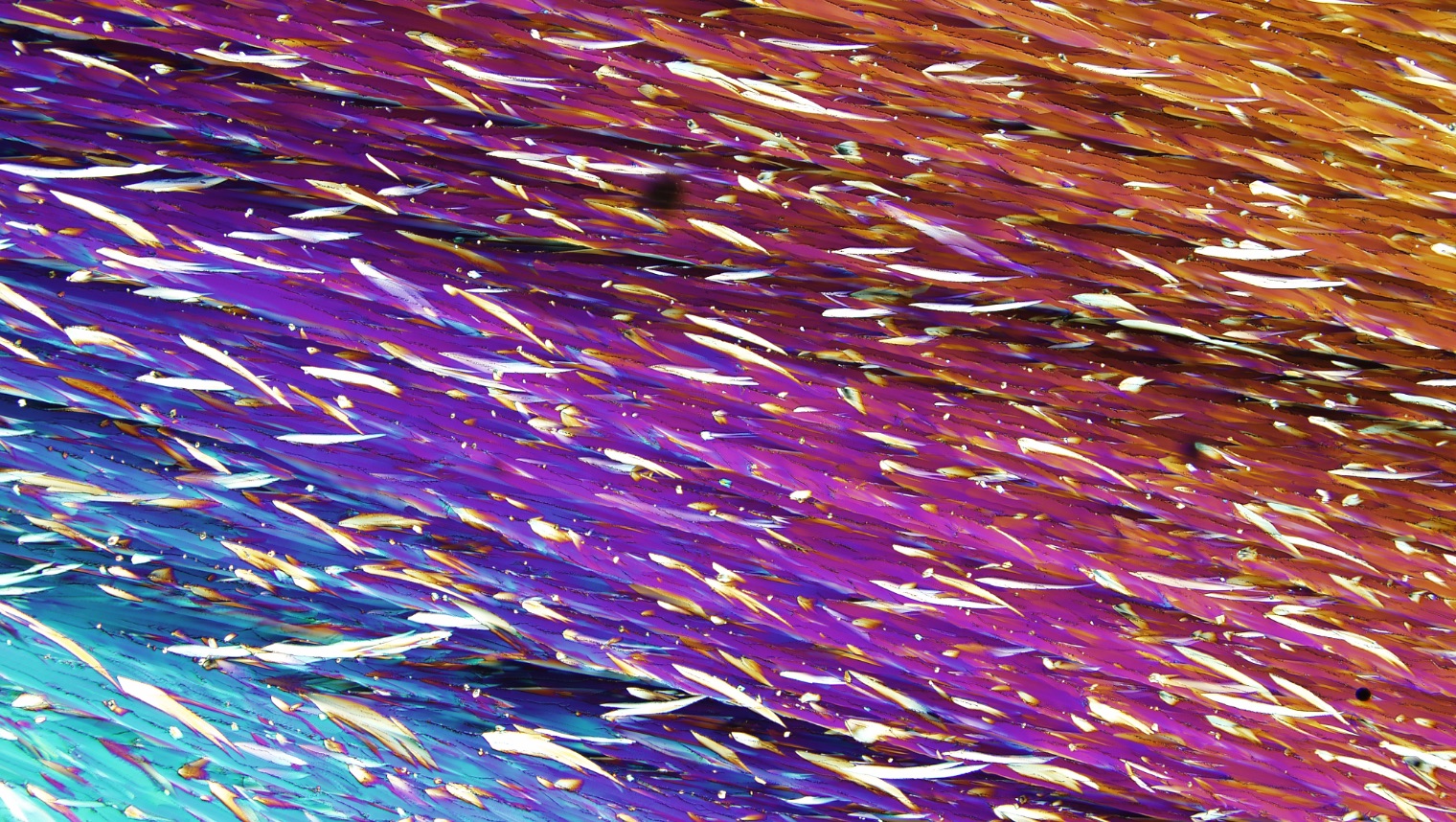
Comparison microscopy is especially useful for the comparison of hair and fiber samples, but it can also be used for color and pigment comparisons of paint and other polymers and to observe similarities and differences in a wide variety of other samples.
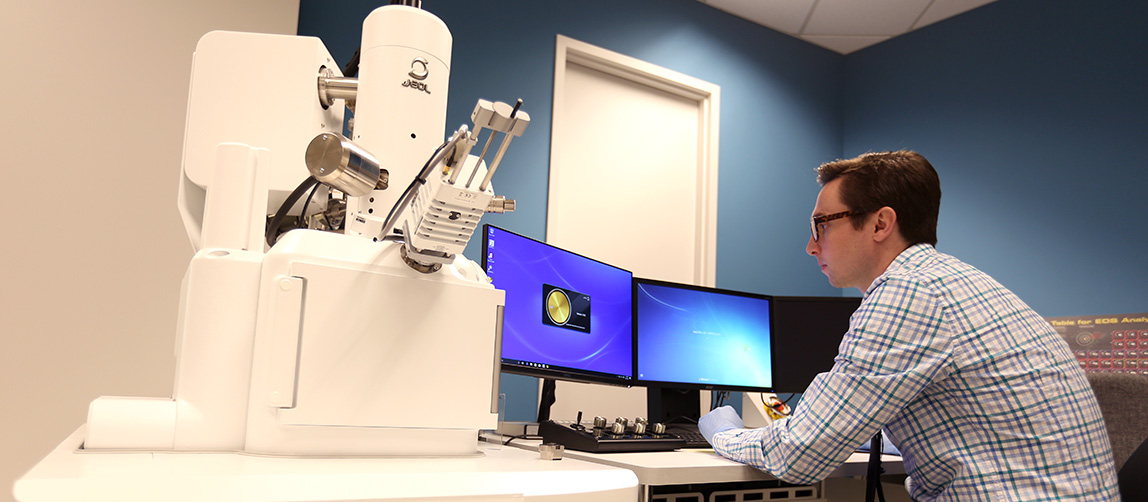
The technique employs two separate compound or polarizing light microscopes connected with a bridge to a single viewing head, allowing two different samples to be viewed simultaneously. Magnifications between 40X and 400X are typically used.